
Case study · Fintech
Episode Six
Front-End Team for a Fintech Payments Platform
Episode Six runs Tritium, a payments platform banks and fintechs use to launch card and credit products. From 2021 to 2024 we were its front-end team: we rebuilt its API developer portal, then refactored its dashboard and built new product screens inside its own sprints.
Overview
Episode Six is an Austin fintech whose platform, Tritium, lets banks and other fintechs launch and run payment products: prepaid, debit and credit cards, multi-currency wallets, installments and more. Its customers reach Tritium through hundreds of APIs, and their operations teams manage it through a web dashboard.
From November 2021 to early 2024 we worked as Episode Six's front-end team. We started with its API developer portal, then moved onto the Tritium dashboard, where our developers and QA worked alongside the company's own back-end engineers.
The Challenge
The first request was the developer portal. Episode Six had just raised a Series B, and the portal that documented its APIs did not look like it belonged to a company at that stage. The product team had new designs ready and wanted the portal rebuilt around the existing documentation pipeline, so its technical writers could keep publishing without developer help.
As that project wrapped up, a bigger gap opened. The back-end team kept shipping new capability, but there was no front-end team to put it in the dashboard, and the backlog grew while delivery stalled. An audit of the dashboard code showed it needed refactoring before it could grow: it mixed two UI frameworks and four file types.
What We Built
A developer portal for the API
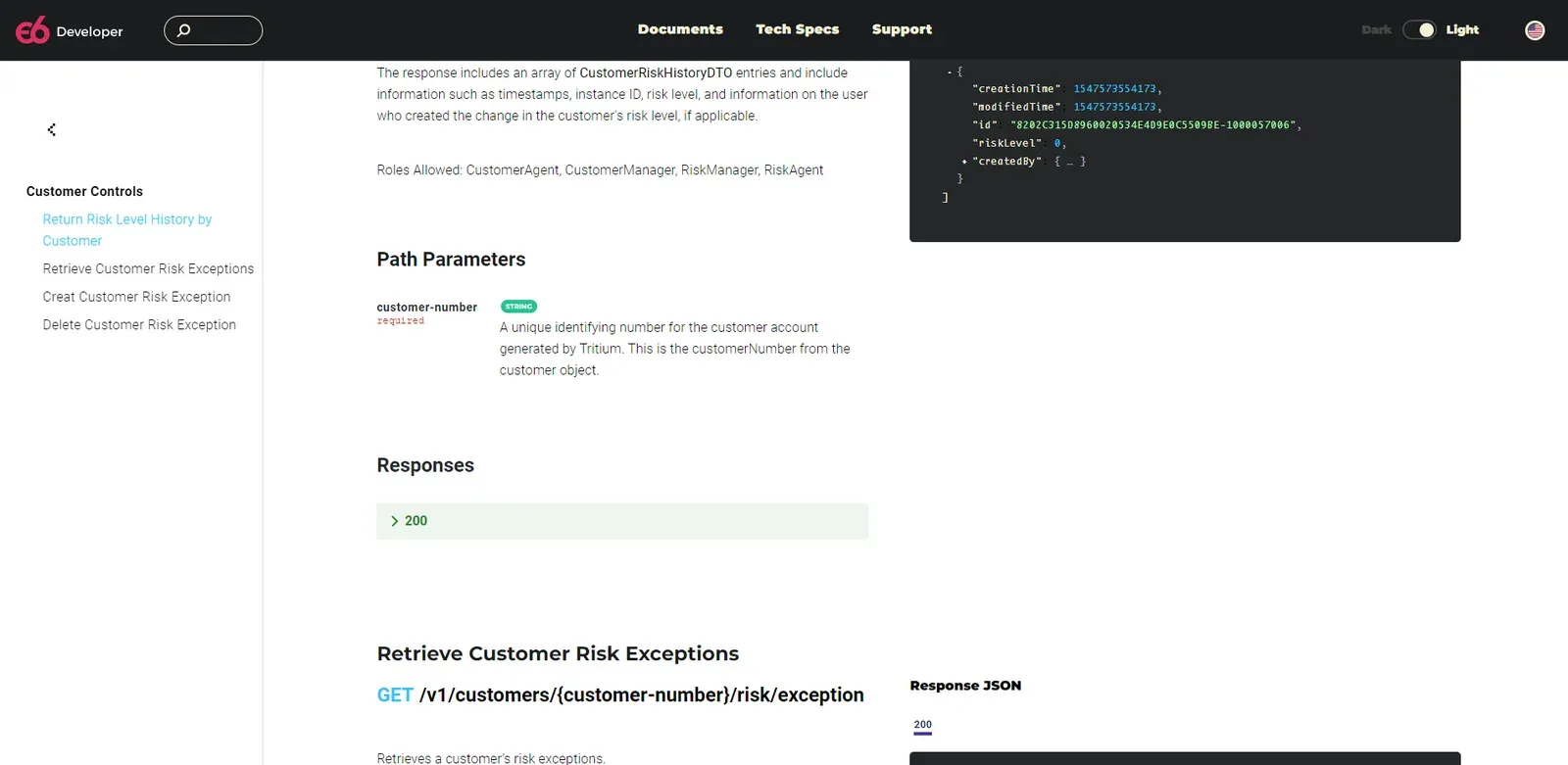
We rebuilt the portal on Episode Six's existing Gatsby setup, working from its designs and a set of behavior-driven user stories. The work covered a new home page with a use case carousel, documentation pages with side and in-page navigation, tech spec pages that render the OpenAPI definitions for each endpoint and webhook, search with result previews, a support page, dark mode and a language selector. The portal went live in early 2022. We kept supporting it after launch: cutting build times, adding a cookie opt-out and footer, applying the 2023 rebrand, and fixing build problems into early 2024.
A refactor before new features
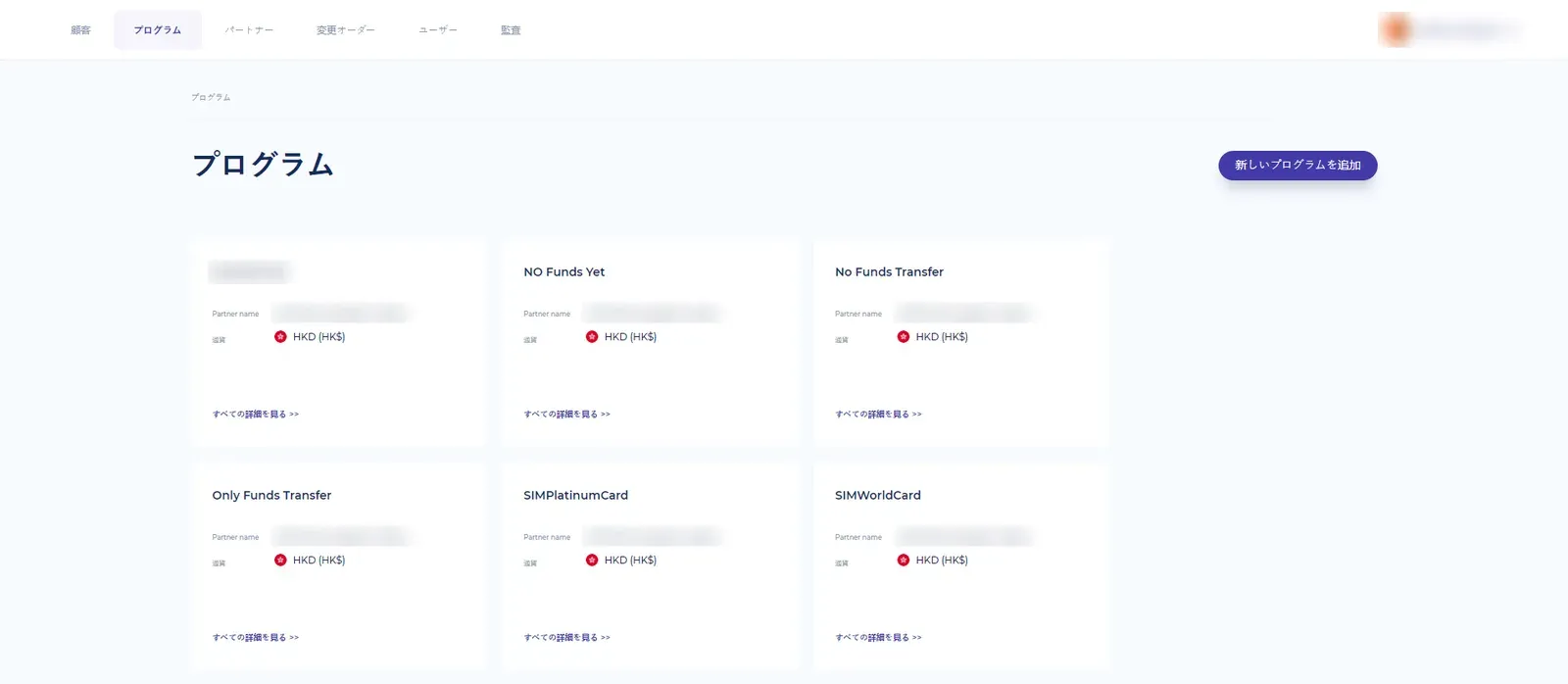
For the dashboard, we started by writing estimates and refactoring recommendations. Episode Six chose to remove Reactstrap and Bootstrap, standardize on an upgraded Material UI with a rebuilt theme, and consolidate the code on TypeScript. We then refactored the shared components (text fields, dropdowns, date pickers, toggles, tables, toasts), typography, navigation and error handling, and worked through the app page by page: login, customer search and details, banks, programs, partners, users, audit and change orders.
Product features, sprint by sprint
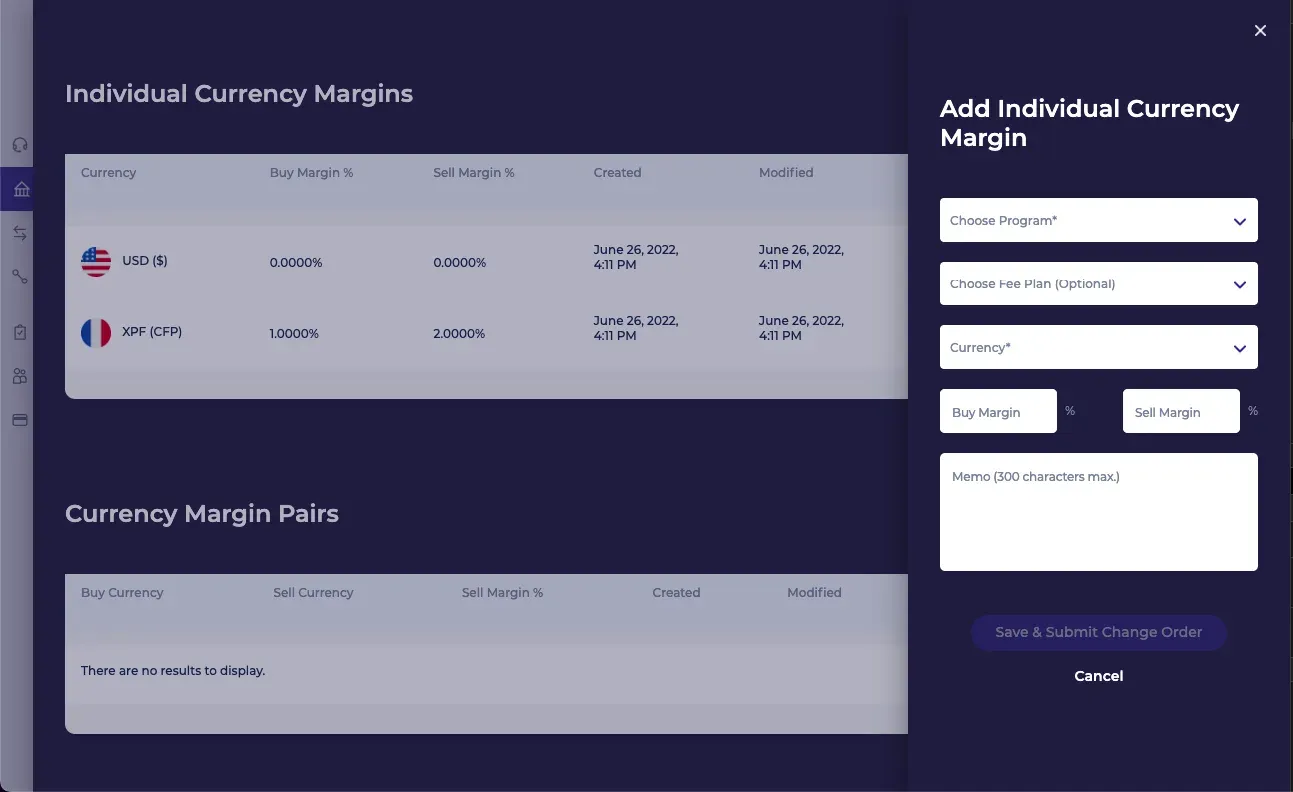
With that base in place, the work split between refactoring and new features. We built dashboard screens for revolving credit (autoload, minimum payments, delinquency actions, a payoff calculator), installments, deposits, rewards, fees, risk levels and exceptions, card blocks, merchant controls and change order approvals. Along the way we added role-based access, OAuth sign-in, time zone handling, multi-currency balances, loading states and consistent error messages.
Four languages, every release
The dashboard is translated into English, Japanese, Portuguese and Spanish. Translation became part of the checklist for every feature, and from late 2023 each monthly release included a pass to enable new strings and resolve conflicts in the language files.
Working inside their process
Episode Six set the tickets for each two-week sprint. Our developers built them, our QA tested them, and each pull request went to Episode Six for code and functional review before merging. We wrote tests alongside features, built a Postman simulator for generating test data, and met with the product team every week.
Results
- A rebuilt developer portal for Episode Six's APIs, live in early 2022 and supported through early 2024.
- Nearly 750 dashboard tickets closed, from the refactor through new product lines.
- A dashboard consolidated on Material UI and TypeScript, with shared components the company's own team could keep building on.
- Translation into four languages built into the way every feature shipped.
THANK YOU so much for the work that has gone into this project! I cannot overstate how much I appreciate the partnership with Caffeine!
Hilary Bee, Product Manager, Episode Six